Tangambalanga VIC 3691
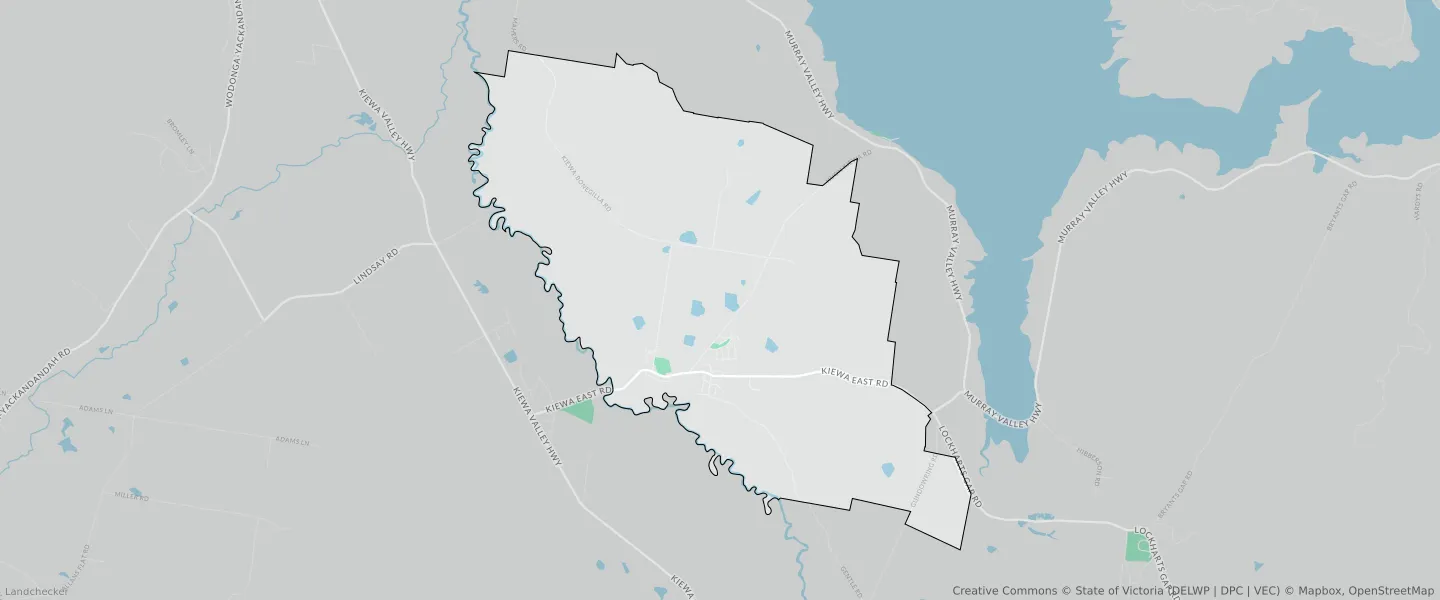
This Tangambalanga suburb profile includes demographic data and planning information to help you make an informed property decision.
An average home in Tangambalanga is owned with a mortgage by couples with children. The average age in Tangambalanga is 33. Separate houses are common in Tangambalanga and the area is mostly FARMING ZONE (88.29%), RURAL LIVING ZONE (3.25%) and GENERAL RESIDENTIAL ZONE (2.77%).
Tangambalanga demographics
Population
908
Average Age
33
Age Distribution
Employment Type
Median Weekly Income
Traveled to Work
Car
88.5%
Tram
0.0%
Bicycle
0.0%
Train
0.0%
Walking
3.7%
Bus
0.0%
Tangambalanga property information
Number of Bedrooms
Tenure Type
Property Types in Tangambalanga
Separate house
Semi detached house
Unit/Apartment
Median monthly mortgage repayments
$1,614
Median weekly rental payments
$250
Average number of bedrooms per dwelling
3.5
Average number of people per household
3
Household Composition
Family Composition
Couple family without children
One parent family
Couple family with children
TANGAMBALANGA planning zones
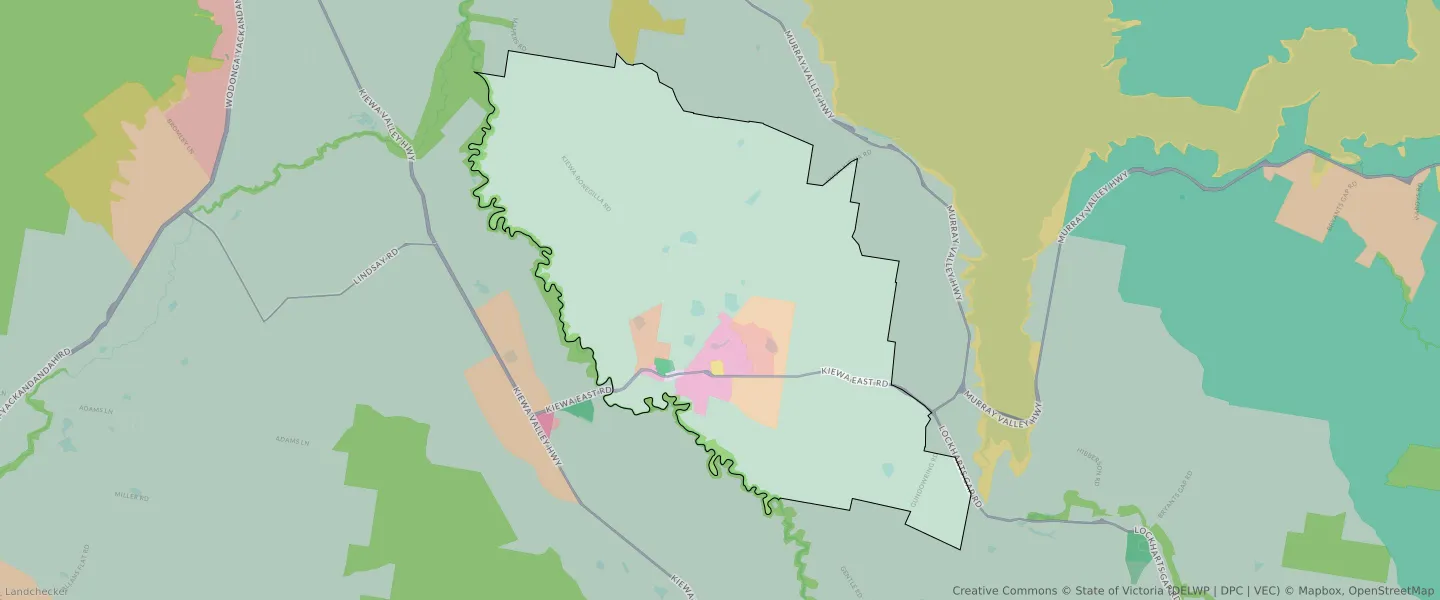
| Zone Code | Zone Name | Percentage Covered | Area Covered | |
|---|---|---|---|---|
| C1Z | COMMERCIAL 1 ZONE | 0.1% | 29,400.7㎡ | |
| FZ | FARMING ZONE | 88.29% | 27,144,885.51㎡ | |
| FZ | FARMING ZONE | 0% | 19.36㎡ | |
| GRZ | GENERAL RESIDENTIAL ZONE | 2.77% | 850,810.3㎡ | |
| IN1Z | INDUSTRIAL 1 ZONE | 1.2% | 369,080.19㎡ | |
| LDRZ | LOW DENSITY RESIDENTIAL ZONE | 1.18% | 363,198.7㎡ | |
| PCRZ | PUBLIC CONSERVATION AND RESOURCE ZONE | 2.31% | 710,021.11㎡ | |
| PPRZ | PUBLIC PARK AND RECREATION ZONE | 0.19% | 57,780.54㎡ | |
| PUZ | PUBLIC USE ZONE | 0.13% | 40,213.01㎡ | |
| RLZ | RURAL LIVING ZONE | 3.25% | 998,180.07㎡ | |
| TRZ2 | TRANSPORT ZONE | 0.59% | 181,231.63㎡ |
Looking to research a property in TANGAMBALANGA?
Go to mapData Source - ABS