Mount Kembla NSW 2526
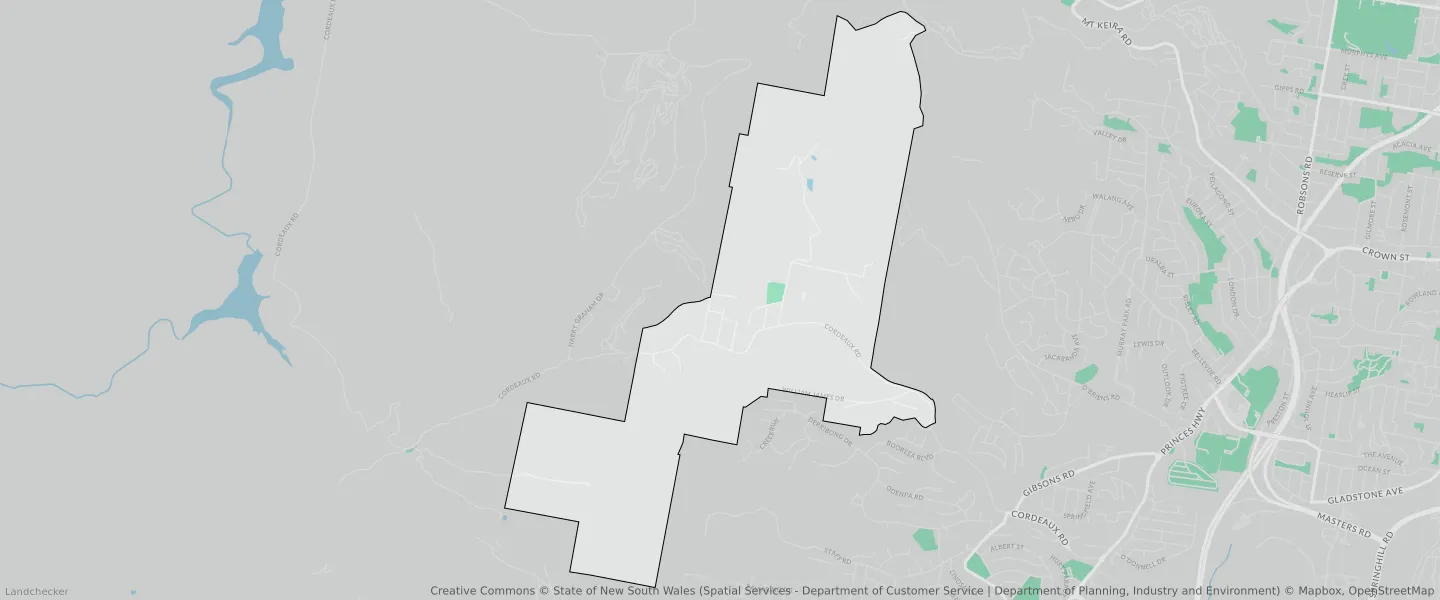
This Mount Kembla suburb profile includes demographic data and planning information to help you make an informed property decision.
An average home in Mount Kembla is owned outright by couples with children. The average age in Mount Kembla is 42. Separate houses are common in Mount Kembla and the area is mostly National Parks and Nature Reserves (25.45%), Environmental Conservation (25.05%) and Environmental Living (16.22%).
Mount Kembla demographics
Population
1083
Average Age
42
Age Distribution
Employment Type
Median Weekly Income
Traveled to Work
Car
91.9%
Tram
0.0%
Bicycle
0.0%
Train
0.0%
Walking
1.1%
Bus
0.0%
Mount Kembla property information
Number of Bedrooms
Tenure Type
Property Types in Mount Kembla
Separate house
Semi detached house
Unit/Apartment
Median monthly mortgage repayments
$2,600
Median weekly rental payments
$440
Average number of bedrooms per dwelling
3.7
Average number of people per household
3
Household Composition
Family Composition
Couple family without children
One parent family
Couple family with children
MOUNT KEMBLA planning zones
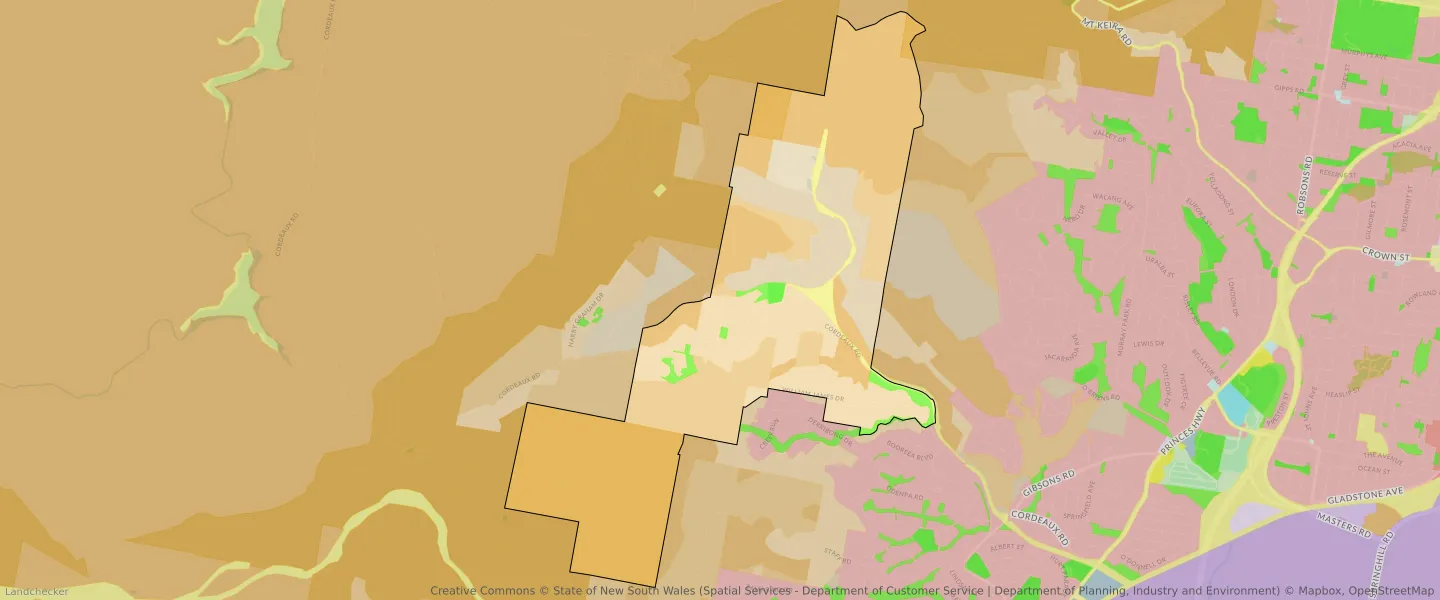
| Zone Code | Zone Name | Percentage Covered | Area Covered | |
|---|---|---|---|---|
| C1 | National Parks and Nature Reserves | 25.45% | 1,477,377.44㎡ | |
| C2 | Environmental Conservation | 25.05% | 1,454,800.1㎡ | |
| C3 | Environmental Conservation | 14.77% | 857,662.03㎡ | |
| C4 | Environmental Living | 16.22% | 941,696.61㎡ | |
| RE1 | Low Density Residential | 2.2% | 127,817.09㎡ | |
| RU1 | Primary Production | 2.22% | 128,659.99㎡ | |
| RU2 | Rural Landscape | 12.45% | 723,147.55㎡ | |
| SP2 | Infrastructure | 1.65% | 95,679.28㎡ |
Looking to research a property in MOUNT KEMBLA?
Go to mapData Source - ABS