Karalee QLD 4306
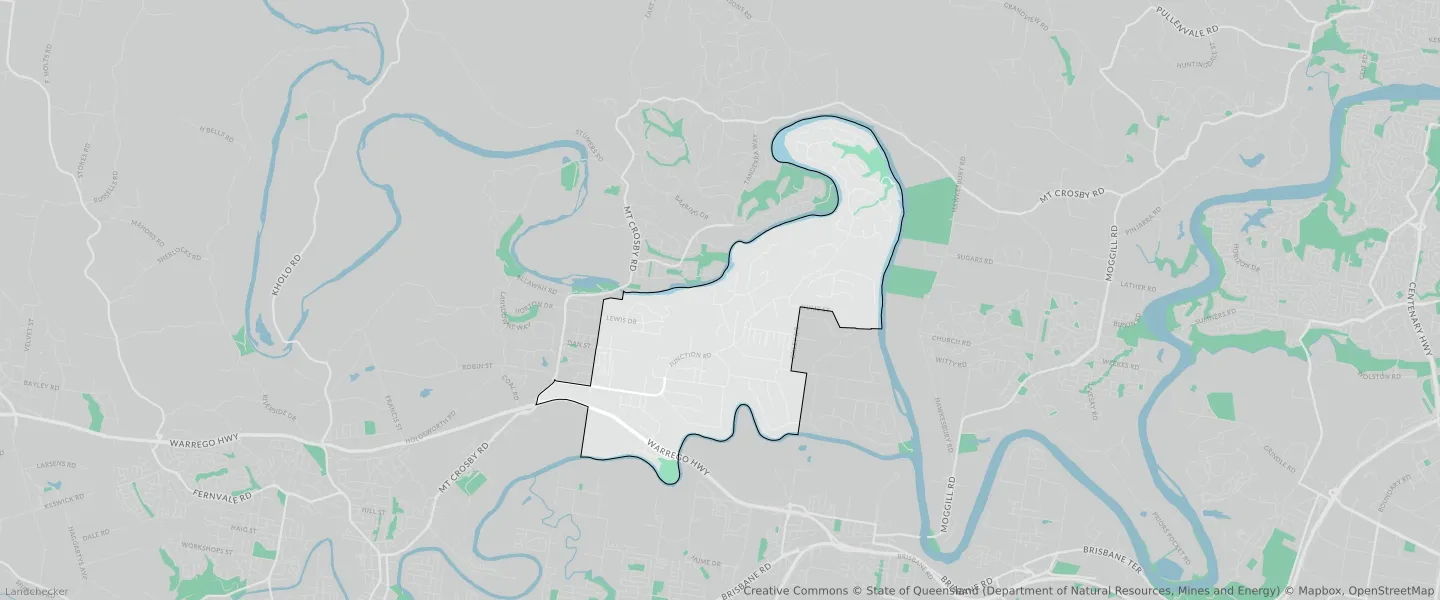
This Karalee suburb profile includes demographic data and planning information to help you make an informed property decision.
An average home in Karalee is owned with a mortgage by couples with children. The average age in Karalee is 37. Separate houses are common in Karalee and the area is mostly LOW DENSITY RESIDENTIAL (63.44%), ENVIRONMENTAL MANAGEMENT (14.74%) and LIMITED DEVELOPMENT (6.22%).
Karalee demographics
Population
5521
Average Age
37
Age Distribution
Employment Type
Median Weekly Income
Traveled to Work
Car
88.9%
Tram
0.0%
Bicycle
0.0%
Train
1.4%
Walking
0.9%
Bus
0.2%
Karalee property information
Number of Bedrooms
Tenure Type
Property Types in Karalee
Separate house
Semi detached house
Unit/Apartment
Median monthly mortgage repayments
$2,133
Median weekly rental payments
$400
Average number of bedrooms per dwelling
3.9
Average number of people per household
3
Household Composition
Family Composition
Couple family without children
One parent family
Couple family with children
KARALEE planning zones
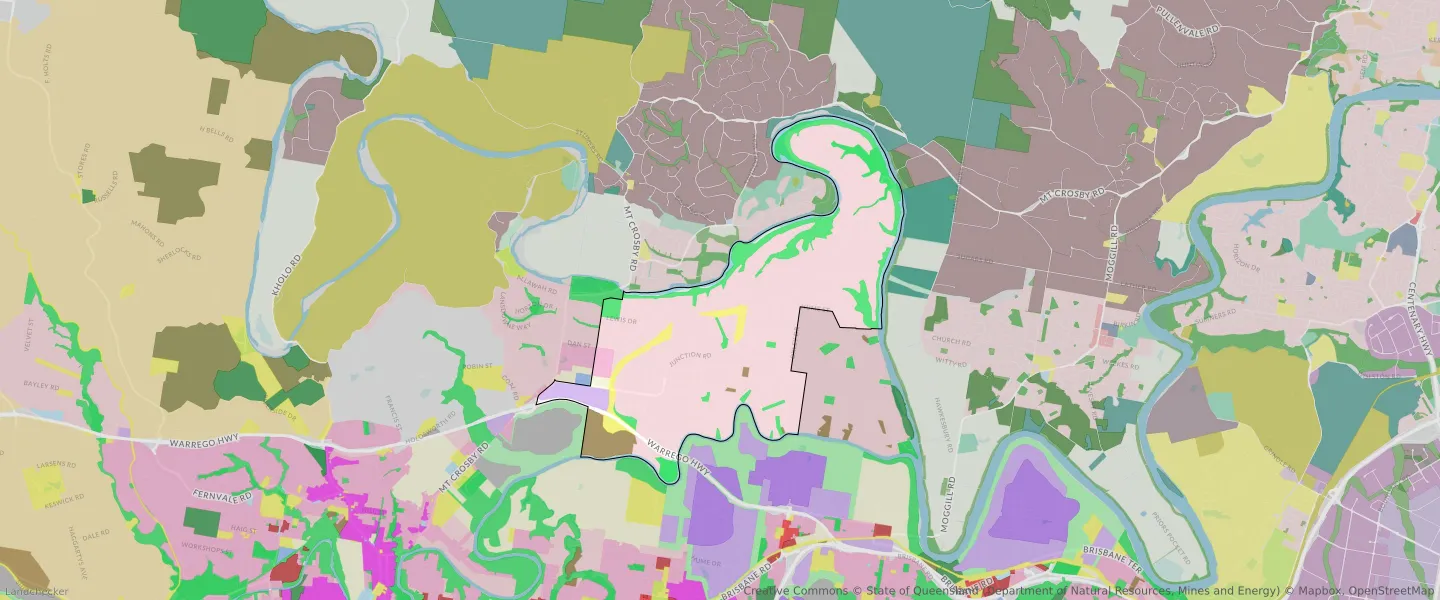
| Zone Code | Zone Name | Percentage Covered | Area Covered | |
|---|---|---|---|---|
| BP | Business Park | 0.19% | 30,359.82㎡ | |
| CF | COMMUNITY FACILITIES | 0.41% | 64,353.44㎡ | |
| CON | Conservation | 0.8% | 125,191.91㎡ | |
| DCC | DISTRICT CENTRE | 0.03% | 5,038.77㎡ | |
| DCF | DISTRICT CENTRE | 1.11% | 172,745.39㎡ | |
| EM | ENVIRONMENTAL MANAGEMENT | 14.74% | 2,299,889.32㎡ | |
| ES | LOW DENSITY RESIDENTIAL | 0.8% | 125,228.01㎡ | |
| LD | LIMITED DEVELOPMENT | 6.22% | 969,804.32㎡ | |
| LL | LOW DENSITY RESIDENTIAL | 63.44% | 9,900,984.62㎡ | |
| MD | MEDIUM DENSITY RESIDENTIAL | 0.9% | 141,209.66㎡ | |
| REC | Recreation | 2.08% | 324,314.17㎡ | |
| SP4 | SPECIAL PURPOSE | 3.17% | 495,271.51㎡ |
Looking to research a property in KARALEE?
Go to mapData Source - ABS